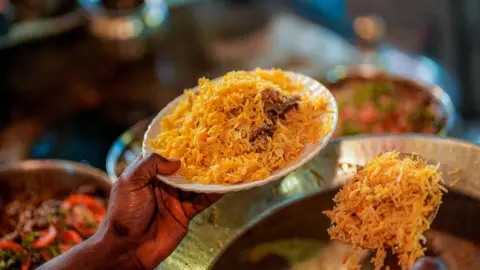
Tempting kebabs, scented biryani, and whipped, cloud-like desserts.
The northern Indian city of Lucknow has long been a food lovers' paradise, with locals and visitors equally praising its superb cuisine.
A Global Honor
Recently, UNESCO recognised it as a UNESCO Creative City for Gastronomy – adding it to a exclusive roster of world cities and kindling hopes that it will highlight Lucknow's peerless food. With this designation, it joins a global network of more than four hundred cities across more than 100 countries focused on promoting "creativity as a driver of sustainable urban development".
The accolade "demonstrates its centuries-old food heritage and lively food ecosystem," as stated by a spokesperson from UNESCO's regional bureau for South Asia.
Lucknow is merely the second Indian city – following Hyderabad, which was chosen in 2019 – to earn a spot in this coveted list of 70 global destinations internationally.
A City Defined by Food
The honor for this venerable city arrives as little surprise to its locals or passionate food lovers. Many share the sentiment that it is "a recognition that was delayed".
With the UNESCO recognition, this adored, chaotic, and vibrant city – the administrative center of India's most populous state – is now in the spotlight for what has always defined its essence: an profound passion for food.
"'The day's menu, how will it be cooked' is a continued discussion from morning until night in most homes," explains a local cultural expert. "And you are truly judged by the standard of food that is produced in your kitchen."
A Royal Culinary Legacy
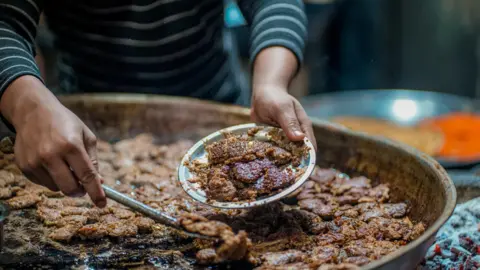
The City of the Nawabs – as it's often referred to after its 18th and 19th Century wealthy Muslim rulers – is famed for its tender kebabs and a unique take on biryani that were conceived, perfected, and elevated to exquisite levels in their royal kitchens.
These imperial kitchens were hubs of food experimentation, merging Iranian and indigenous Indian styles to create what became known as the culinary tradition of Awadh.
It was in that period that Lucknow's most famous kebabs were fashioned. As the tale is told that the mutton galouti was devised to cater to an elderly nawab who had no longer had his teeth. His cooks processed the meat with papaya, kesar, and a blend of spices and made it so soft that it needed no chewing.
But perhaps the greatest contribution of the chefs of Awadh was the slow-cooking Dum pukht technique, where food is cooked on a gentle, leisurely heat, with the pot's lid tightly closed with a flour paste.
Beyond Kebabs and Biryani
Apart from the obvious kebabs and biryani, the cooks also created a vast array of dishes that included kormas (rich curries), sheermal (saffron-infused flatbread), and shahi tukda (a decadent bread pudding).
However, Lucknow is not only about kebabs and biryani – the region is additionally a haven for vegetarians.
The local Baniya community's cuisine doesn't just highlights fresh harvests but also provides the city its exquisitely crafted Indian desserts, sweets, and distinctive street food, like chaat – zesty fried snacks.
Iconic Stalls and Historic Shops
Nearly on many street corners, there are little shops and carts – little-known gems that are wildly favored by the locals.
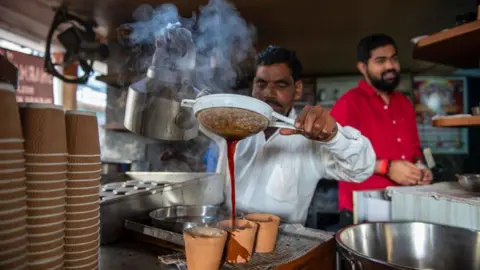
In the central district of Hazratganj, throngs of people start milling around from the crack of dawn at a famous tea stall to get a piping hot cup of spiced tea with milk, served in clay glasses, along with incredibly soft buns slathered with hand-churned white butter.
To start the day, one can visit a simple joint located in the historic quarter of Aminabad. Almost 150 years after it was established, the place is still in great demand for its freshly fried kachoris (fried bread stuffed with lentils) and jalebis (crispy, syrup-soaked sweets).
Safeguarding a Culinary Heritage
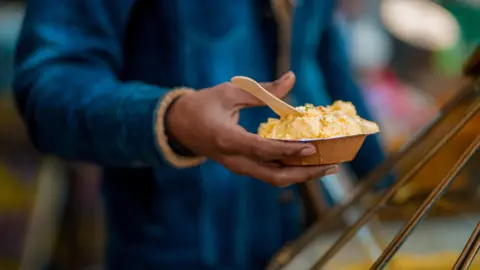
The city also offers remarkable treats of the season, such as makkhan malai, a cloud-like dessert found in the winter. The process of making it is precise and involved. The artisan whisks the milk and then exposes it at night, allowing the nighttime moisture to give it its incredible light consistency.
On chilly mornings, street vendors line up in historic neighborhoods like Aminabad and Chowk. Many however express concern that their younger generation are unwilling to take up the craft.
A well-known culinary expert from Lucknow has often said that the city's rich food legacy places it at the very pinnacle of the Indian street food experience. The true benefit from the UNESCO recognition, it is believed, will materialize only if Lucknow can now generate interest about its hidden eateries.
Every dish in Lucknow comes with a history – crafted by generational food businesses, from humble street carts to busy restaurants, and secret family recipes.
The worldwide honor, it is anticipated, will encourage more people worldwide to explore these tales and travel to the city to taste the food wonders of Lucknow.


